
Link to original article by Jennifer Read, posted on EMSNow
Millions of students are graduating from college, many who are ready to launch their corporate careers. But what most don’t realize is they are missing out on one of the most urgent opportunities in the U.S. economy: infrastructure careers.
With17 million workers projected to permanently leave the field over the next decade, the talent pipeline protecting our national security, and supporting data centers and power grids are drying up fast and remaining overlooked.
Uptime Crew is working to close that gap.
They’re building a next-generation infrastructure workforce–one that connects recent grads and untapped talent directly to essential jobs powering America’s economy and national security.
Their approach includes:
- Targeted training that equips entry-level talent with industry-specific technical skills in weeks, not years.
- Recruitment campaigns that rebrand infrastructure jobs as mission-driven, tech-powered, and future-forward.
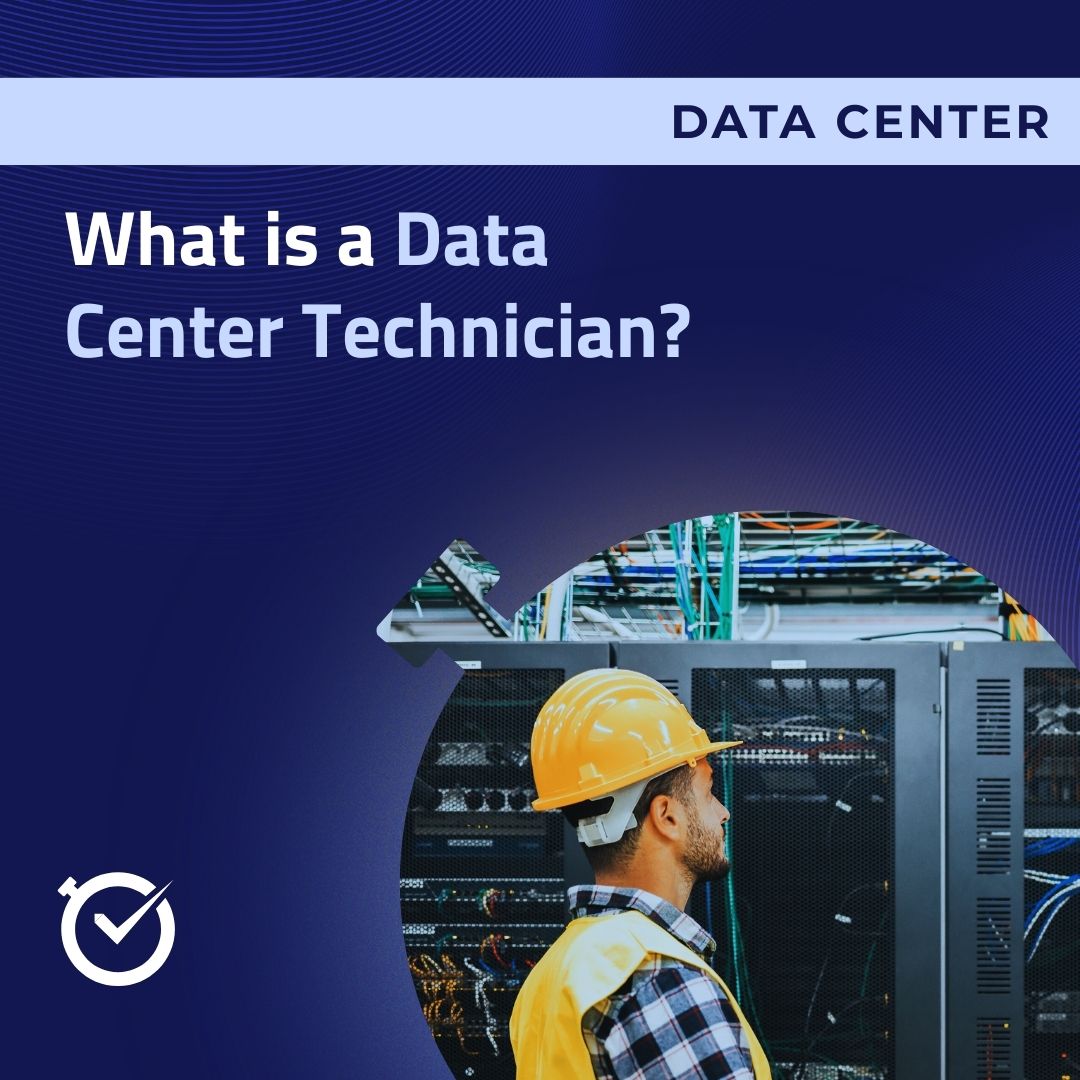
- Deployment partnerships that place new talent directly into data centers, semiconductor facilities, and broadband operations where the need is urgent.
EMSNOW caught up with Uptime Crew’s CEO John Akkara to learn more.
How does what happens in the US compare to how other regions deal with this issue? Do companies bear the responsibility or does the education system/government take a more active role?
The approach varies across the globe. In some regions, governments play a more proactive role by funding apprenticeships, university education, and early career training. In the U.S., the current administration has been a strong advocate for apprenticeships and skills-based hiring. At the same time, the private sector plays a critical role in scaling these efforts by driving much of the investment and innovation in workforce development.
Companies such as Uptime Crew exemplify this private-sector leadership. Through models like their Hire-Train-Deploy service, they recruit talent based on aptitude and foundational skills, then provide targeted training in fields such as data centers and semiconductor manufacturing — helping build the next generation of technicians. This model allows individuals to earn a wage while learning valuable, in-demand skills.
Industries are increasingly adopting Hire-Train-Deploy because it helps create a new, well-prepared workforce for modern, high-tech roles. Sectors such as data centers and semiconductors, which require technical workers with specific skill sets, benefit greatly from this approach. The model not only delivers a productive workforce but also improves retention, enhances productivity, and lowers overall costs for both workers and employers.
What type of program has been most successful in changing the perception of young people about manufacturing jobs?
This is a real challenge in advanced manufacturing. While our country is investing billions to create high-paying jobs in this sector, many aspiring job seekers are still reluctant to pursue these careers. The perception remains that these are traditional blue-collar roles that don’t offer the same earning potential or career trajectory as fields like software development. That couldn’t be further from the truth, as today’s advanced manufacturing roles can provide excellent pay, clear career pathways, and the opportunity to work with cutting-edge technology.
How will the business model for semiconductor manufacturing adjust to paying higher labor costs? What exactly does the math look like?
The semiconductor industry has many different areas of specialty; fabs, foundries, chip design, equipment manufacturers, etc… Each of these requires specialty workers who can start at entry level positions with wages ranging from $25/hr to $35/hr. Once someone is in and doing well both their career and income trajectory will steadily move upwards.
How quickly do you think these massive shifts will take place?
The shifts are already well underway. Currently there are about 3,700 data centers in the U.S. and this is expected to reach 12,000 in the next 5-10 years. These new modern data centers will easily generate 100 megawatts of power and reach 1 million square feet in size.
Most semiconductor manufacturing takes place outside the U.S. (90% + overseas). This creates risk to both the U.S. economy and security. The goal is to significantly increase domestic production of high-tech chips through the building of mega-fabs. These new mega-fabs will require tens of thousands of workers to build them and many more tens of thousands of workers to operate the facilities.
How the semiconductor industry’s talent shortages are impacting growth.
Talent shortages in the semiconductor industry have a direct and compounding impact on growth. As the number of skilled workers falls short of demand, the workload and responsibilities for existing employees continue to increase, leading to greater reliance on each worker’s ability to perform. This added pressure contributes to higher rates of burnout, which further strains an already limited workforce.
Critically, shortages of skilled technicians and engineers can slow the entire production process. Without enough qualified workers to operate and maintain fabs, the ability to manufacture and deliver chips to end clients is compromised. Any delays or disruptions in production and delivery ultimately threaten revenue growth and the ability to meet market demand, creating a ripple effect across the entire value chain.
What is the role of specialized training programs in solving this issue?
There are many options for training, however one of the major issues is a low capacity to turn out the specialized workers required in the time and numbers needed. Semiconductor and data center companies require tens of thousands of workers and Universities and community colleges only have so many students they can graduate.
Also, it is difficult for people already working to quit their jobs and attend school, bootcamps, training, etc… This is where Hire-Train-Deploy is so valuable. Take for example an auto mechanic or someone working at Geek Squad. They may have skills translating to the semiconductor industry, however, lack a pathway to transition. With Hire-Train-Deploy someone can leave their current employment, join Uptime Crew, receive pay and benefits while going through training, have all the training paid for and an on ramp to a great semiconductor or data center company.
Why is it critical to close the skills gap to maintain America’s leadership in tech and manufacturing?
The ability to produce high-tech chips and the data centers they will operate in are critical to our nation’s economy and security. The risks are too high not to develop people with the skills to operate and run these companies. The U.S. is positioned to lead in many areas of the economy and preparing a workforce is of the highest priority.