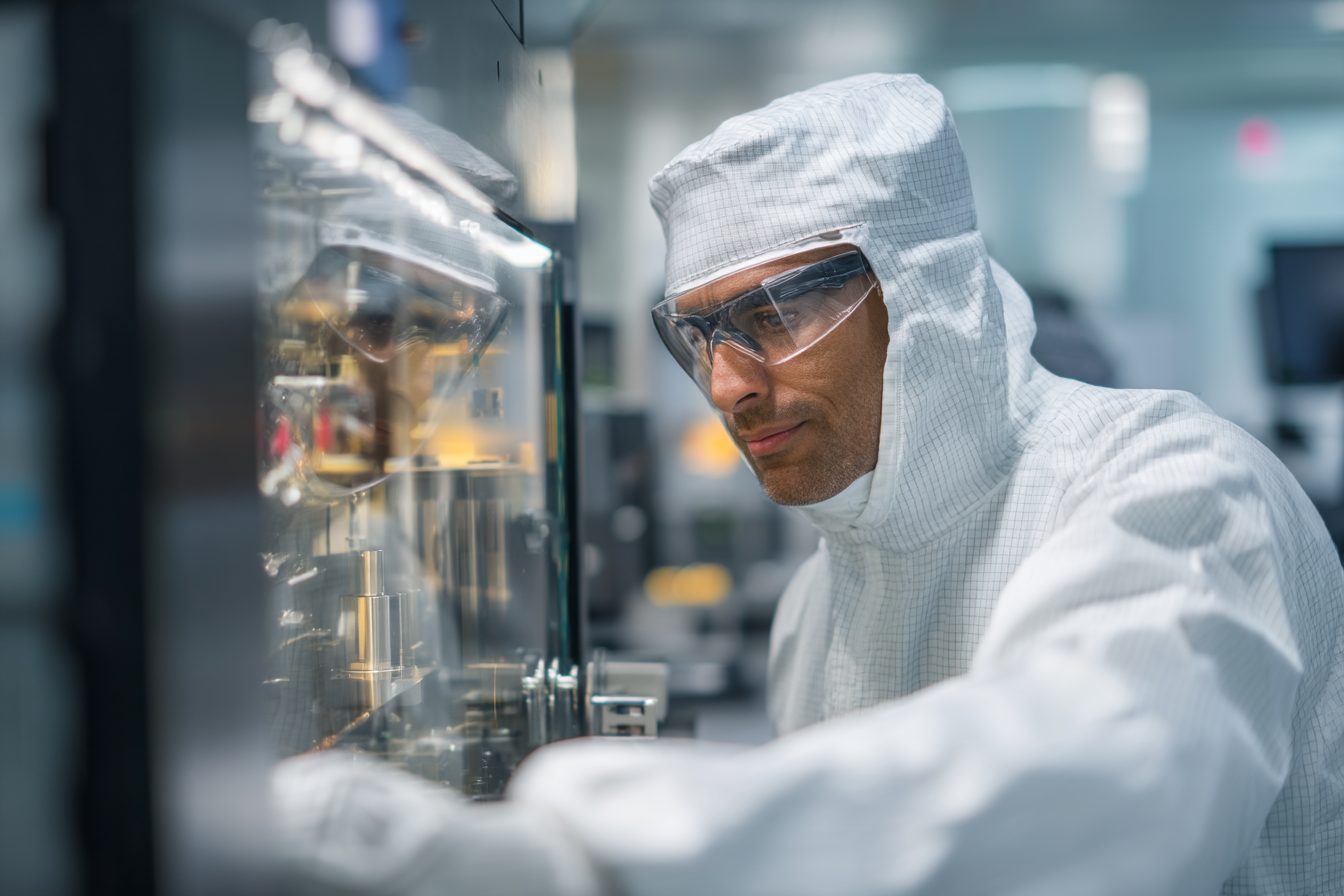
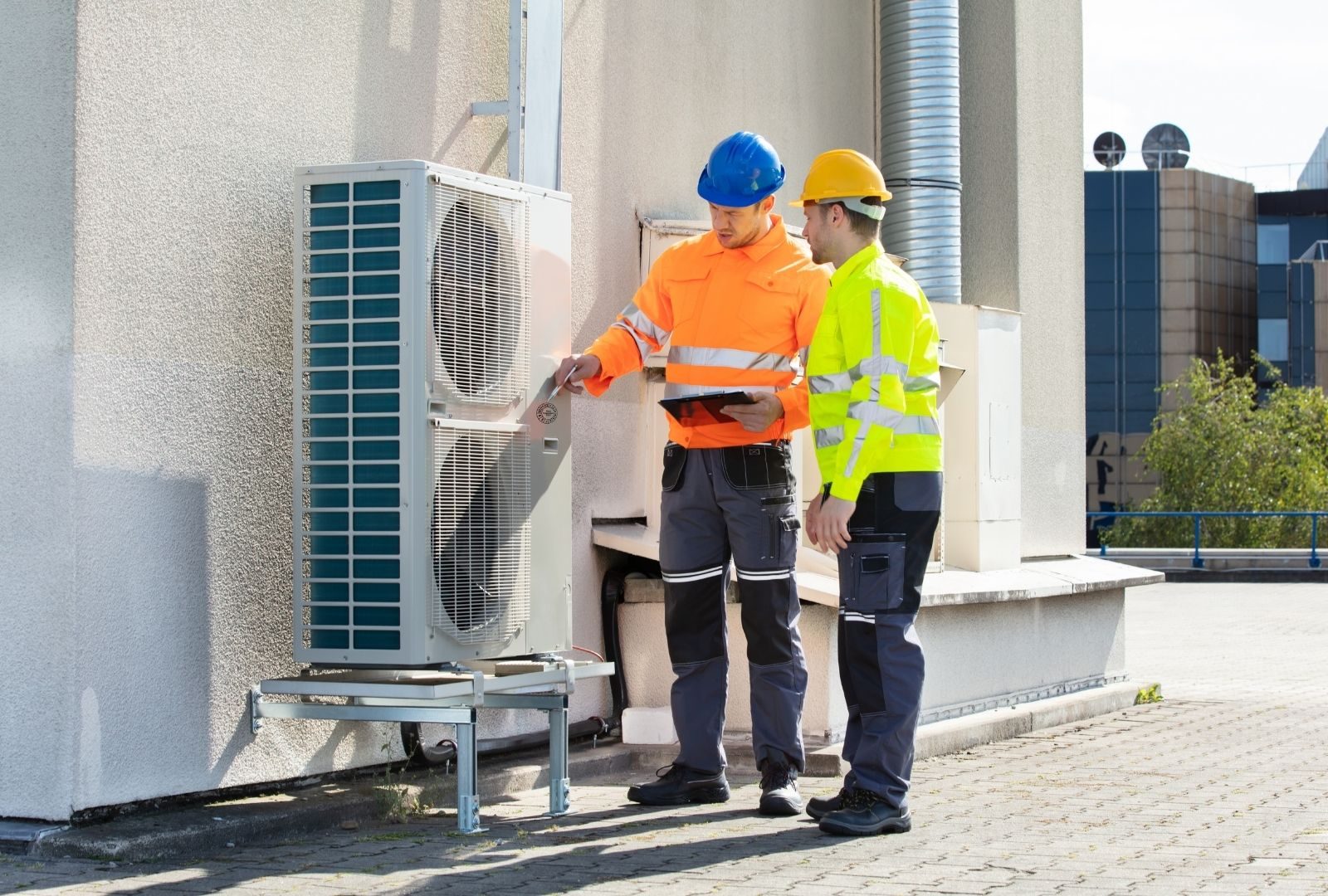
Industries like data centers, semiconductor manufacturing, and equipment manufacturers don’t have the luxury of downtime. These are always-on environments that require consistent performance, around-the-clock operations, and a workforce that can keep up. But traditional staffing models were never built for this kind of demand. They rely on outdated methods, prioritize speed over fit, and introduce costly turnover.
In high-pressure 24/7 environments, it’s not just about filling seats. It’s about filling roles with people who are prepared, reliable, and able to hit the ground running. Here’s why legacy staffing models fall short, and how Uptime Crew’s Hire-Train-Deploy model closes the gap.
The Unique Demands of 24/7 Work
Running a facility 24/7 means every shift needs full coverage. That includes nights, weekends, and holidays. But it’s not just about showing up. Workers need to understand technical systems, safety protocols, team expectations, and job-specific tools. They also need to be physically and mentally prepared for shift work—which is more taxing than standard 9-to-5 roles.
Many traditional staffing firms treat shift roles the same as daytime jobs. This leads to mismatches in both skill and mindset. It creates problems from day one: late arrivals, safety issues, low engagement, and high turnover. In a facility where a single error can cause real damage, that’s not a risk worth taking.
Where Traditional Staffing Falls Apart
1. High Turnover and Poor Fit
Most staffing firms operate on volume. Their job is to place people fast, not necessarily to place people well. Workers may show up without understanding what the job requires. When they realize it’s more technical, demanding, or rigid than expected, they leave. That turnover cycle is expensive, and disruptive.
Shift work also requires a different kind of stamina and discipline. Candidates who don’t have experience with night shifts or rotating schedules often struggle. When traditional staffing ignores those realities, the result is early exits, gaps in coverage, and frustration for on-site teams.
2. Lack of Industry-Specific Training
In technical environments, training can’t be generic. Workers need to understand the equipment, safety systems, and site-specific processes before they ever touch the floor. Most traditional staffing models assume training will happen after placement. That means the client absorbs all the onboarding risk and cost.
In reality, you’re paying twice: once for the undertrained hire, and again for the team that has to retrain or cover for them. And when that person leaves, you repeat the cycle.
3. Inflexibility During Scale-Up or Scale-Down
Traditional staffing doesn’t move at the speed of real operations. Let’s say you need to staff an extra shift within two weeks to meet new production demands. Or maybe a project ends early and you need to scale down. Traditional agencies often can’t respond fast enough, or have contractual terms that prevent you from adapting.
That creates bottlenecks, overtime costs, and resource waste. And in environments where every hour of uptime matters, these delays can affect your bottom line.
4. No Clear Path to Retention
Workers placed through traditional staffing firms often feel like temps. There’s no clear development path, no consistent support, and no reason to stay beyond the basics. That mindset affects productivity, morale, and retention.
In shift-based roles, the more experienced your team is, the better they perform. Keeping workers longer reduces error rates, increases speed, and builds site knowledge. But traditional staffing models don’t support long-term thinking.
A Better Alternative: Uptime Crew’s Hire-Train-Deploy Model
At Uptime Crew, we built a model that works with 24/7 environments—not against them. Our Hire-Train-Deploy (HTD) process ensures that the people we deploy are technically prepared, culturally aligned, and shift-ready from day one.
Here’s how it works:
Step 1: We Hire for Fit
We don’t rely on keyword-matching or resume screening alone. Our process identifies candidates with the aptitude, mindset, and learning potential to succeed in shift-based, high-pressure environments. We screen for soft skills like resilience, focus, and adaptability—not just technical knowledge.
Our team knows what it takes to thrive in a data center, fab, or tool shop. We hire accordingly.
Step 2: We Train Before Day One
Every candidate goes through structured, hands-on training before they’re deployed. This includes technical systems, safety protocols, site simulation, and soft skill development. We also prepare candidates for shift work specifically, including managing sleep cycles and stress.
That means when a worker shows up on site, they already know what to expect. They understand the pace, the protocols, and the performance standards.
Step 3: We Deploy with Confidence
Because our workers are trained and vetted ahead of time, clients don’t have to spend extra time onboarding or fixing early mistakes. Our teams integrate faster, perform better, and stay longer.
We also maintain regular check-ins to monitor performance and provide support. That ensures long-term success and keeps turnover low.
Real Results from Real Deployments
Clients who use Uptime Crew see measurable improvements:
- 90%+ retention of deployed workers after the initial assignment
- 40% faster ramp-up compared to traditionally staffed roles
- 20–30% lower total workforce cost due to reduced overtime, retraining, and attrition
- Increased flexibility, with the ability to scale up or down in weeks, not months
These numbers matter. But more importantly, they reflect real operational impact. Projects stay on schedule. Teams stay engaged. Work gets done.
Designed to Scale
One of the biggest advantages of HTD is adaptability. When your workload shifts, you don’t have time to wait for long hiring cycles. Because our candidates are trained in advance, we can expand or contract your workforce quickly without quality drops.
This model works especially well for:
- New site launches
- Sudden production increases
- Equipment upgrades or facility retrofits
- Seasonal demand swings
Traditional staffing often lags behind. Uptime Crew moves with you.
Less Risk, More Control
One of the reasons companies stick with traditional staffing is to avoid risk. But in practice, it often creates more of it: low retention, high variability, and unclear accountability.
With HTD, you get a try-before-you-hire approach. Workers are deployed on assignment, with the option to convert to full-time after proving themselves on the job. You get to see performance before making a long-term commitment.
This lowers your exposure and improves long-term outcomes.
The Bottom Line
24/7 environments are unforgiving. They don’t slow down for poor hiring. And they don’t tolerate long ramp-ups or constant turnover. Traditional staffing simply wasn’t built to meet these demands.
Uptime Crew’s Hire-Train-Deploy model is.
It puts readiness first. It prioritizes retention. It gives you more control over workforce quality and cost. And it scales with your operation, not against it.
If you’re running a nonstop facility, you need more than staffing. You need a workforce strategy. That starts here.
Talk to Uptime Crew. Let’s build a team that can keep up.