
The industries powering the modern economy are growing faster than the workforce built to support them. Semiconductor expansion is accelerating. Data center demand continues to surge. New facilities are coming online. Existing operations are scaling. Infrastructure investments are rising. But the workforce model many companies still rely on has not kept pace.
For too long, hiring in these environments has depended on traditional staffing logic: source candidates with similar titles, prioritize prior experience, move quickly to fill seats, and hope the right fit emerges through volume.
That approach may work in lower-risk environments. It does not work well in semiconductor manufacturing or data center operations.
These are not ordinary jobs. They are high-stakes roles inside environments where uptime, safety, precision, process discipline, and speed to productivity matter from the start. When the work is this critical, employers cannot rely on resume matching alone.
They need talent that is prepared, not just available.
Speed to hire is not the same as speed to productivity
Traditional staffing is built to fill open roles quickly. That can be useful when the work is interchangeable, training is minimal, or the consequences of a slow ramp are manageable.
Semiconductors and data centers are different.
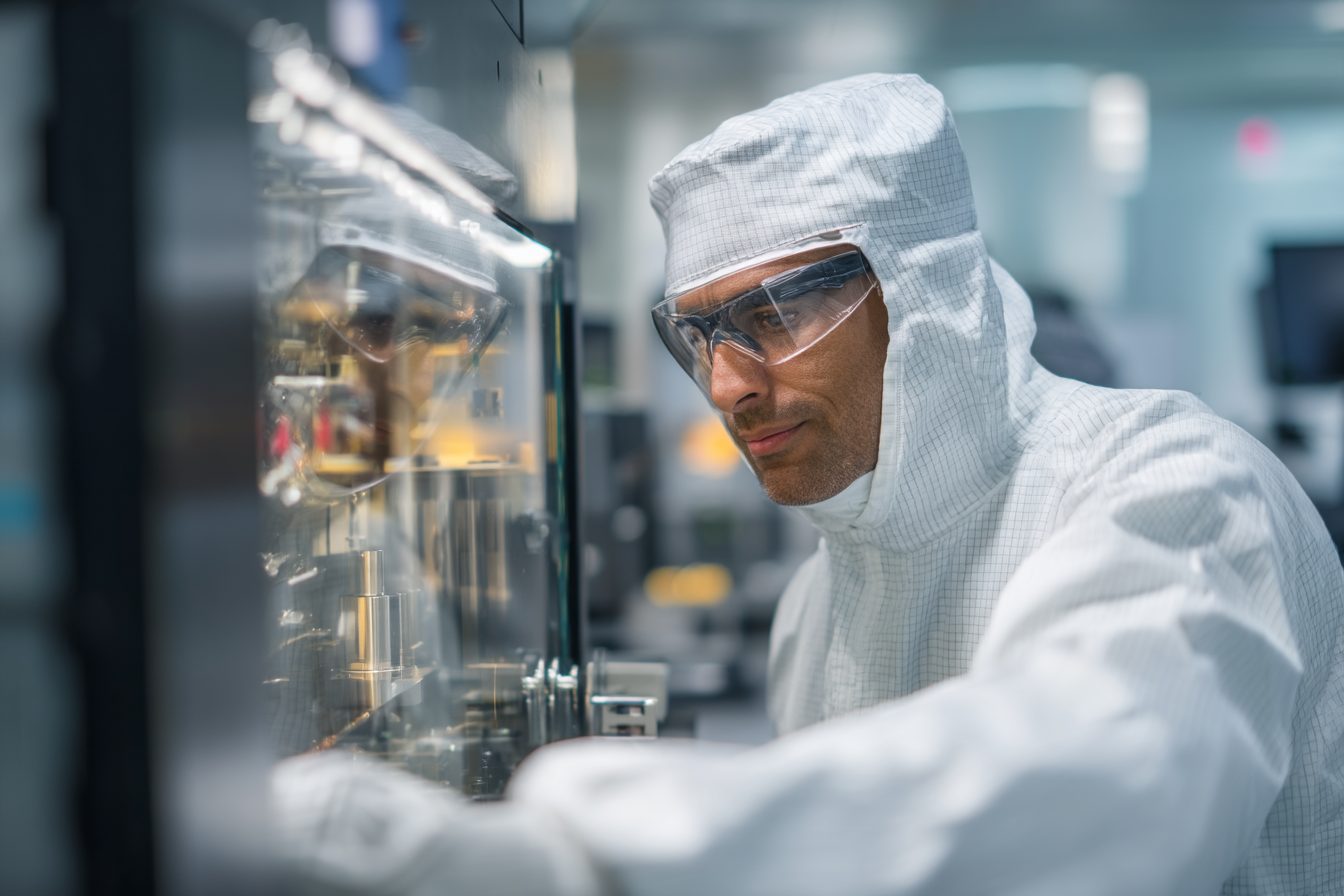
In these environments, new hires are stepping into highly structured, operationally sensitive settings. Cleanroom protocols, safety discipline, mechanical aptitude, process adherence, technical curiosity, and the ability to learn in complex environments all matter. So does the ability to contribute without creating unnecessary drag on the teams already in place.
That is where the traditional model starts to break down. A resume may show adjacent experience. It does not show readiness for a fab environment. A job title may suggest transferability. It does not confirm someone can adapt quickly to the pace, precision, and standards required on site.
When hiring is treated as a search for perfect experience alone, companies end up competing for the same narrow pool of already-proven talent. That pool is limited, expensive, and increasingly overused.
The result is predictable:
- longer time to fill
- more pressure on operations teams
- slower onboarding
- inconsistent ramp time
- higher risk of poor fit
In critical infrastructure environments, that cost adds up quickly.
The real constraint is not talent. It is talent readiness
Many employers describe the challenge as a talent shortage. In reality, the issue is often more specific than that. There are capable people in the market. There is potential. There is interest. There are workers who can succeed in semiconductor and data center careers. What is missing is a better system for identifying that potential and preparing it for the realities of the job.
That distinction matters.
When companies assume the only viable hire is someone who has already done the exact role in the exact environment, they limit themselves to talent that has already been shaped elsewhere. That may help in the short term, but it is not a sustainable workforce strategy for industries trying to scale.
A stronger approach focuses less on whether someone checks every historical box and more on whether they can be prepared to succeed in the environment they are entering.
That means evaluating for the right foundational traits.
That means building role-relevant readiness before deployment.
That means reducing ramp friction before day one.
That means creating a path for people who may not look conventional on paper, but are highly capable in practice.
That is how workforce capacity expands.
Why experience-only hiring creates bottlenecks
Experience matters. But in semiconductors and data centers, experience alone cannot be the full strategy. If every company is chasing the same experienced technicians, the same field service talent, and the same operations-ready workers, the market becomes increasingly constrained. Wages rise. Competition intensifies. Hiring timelines stretch. Retention becomes harder. Growth slows.
In other words, companies are not just competing for customers. They are competing for the same limited labor pool. That is why businesses in high-growth infrastructure sectors need more than access to talent. They need a model that helps create it. Not by lowering standards. By preparing people to meet them. This is where the conversation has to evolve.
The question should not only be: Who has done this before?
It should be: Who can succeed here with the right preparation?
That shift opens the door to a broader, more resilient workforce strategy.
In semiconductor and data center environments, fit is operational
In many industries, hiring mismatch is frustrating. In semiconductors and data centers, it is operational. These environments demand discipline. They require people who can work within strict processes, absorb technical instruction, follow standards, and contribute in settings where mistakes carry real consequences.
That means employers need to think beyond recruiting and start thinking about readiness as part of workforce design. The goal is not simply to place someone into a role. The goal is to reduce the gap between hiring and contribution.
That requires a more intentional model. One that looks at aptitude, trainability, environment fit, and role-specific preparation before someone ever steps on site. It also requires recognizing that retention often starts before the first day of work. When people are better prepared for the reality of the role, they ramp with greater confidence, integrate more effectively, and are more likely to stay.
That is not just a hiring win. It is a business win.
Why the future of infrastructure hiring will be built, not just filled
As semiconductor manufacturing expands and data center infrastructure continues to scale, companies will need workforce strategies that can grow with demand.
Traditional staffing alone is not designed for that challenge.
It can help source talent. It can help support hiring spikes. But on its own, it does not solve the deeper issue: how to consistently create role-ready talent for environments where readiness is the requirement, not the bonus. That is why the future belongs to organizations that move beyond transactional hiring models and invest in preparation, potential, and performance.
The companies that win will not be the ones that simply compete hardest for the same experienced workers. They will be the ones that build stronger talent pipelines, expand access to opportunity, and create faster paths to productivity through readiness-driven workforce strategies.
Because in semiconductors and data centers, the real advantage is not just finding talent.
It is preparing talent to perform where it matters most.