
In high-stakes technical environments, qualifications matter, but qualifications alone are not what make someone dependable in the field, on the floor, or inside a mission-critical operation.
Because in semiconductors and data centers, the work is not just technical. It is procedural. It is safety-sensitive. It is precision-driven. And in many cases, it is unforgiving.
That changes what “well-suited” really means.
The strongest people in these environments are not simply the ones with the right keywords on a resume. They are the ones who can be trusted to operate with discipline, follow process, learn quickly, stay composed, and protect uptime, quality, and safety when the stakes are real. That emphasis aligns closely with the Uptime Crew persona and brand framework, which repeatedly highlights discipline, coachability, safety-consciousness, reliability, precision, and readiness across semiconductor and data center roles.
Discipline Is Not a Personality Trait Here. It Is a Performance Requirement
In some jobs, discipline is a nice-to-have. In semiconductor fabs, data centers, and advanced field environments, it is foundational.
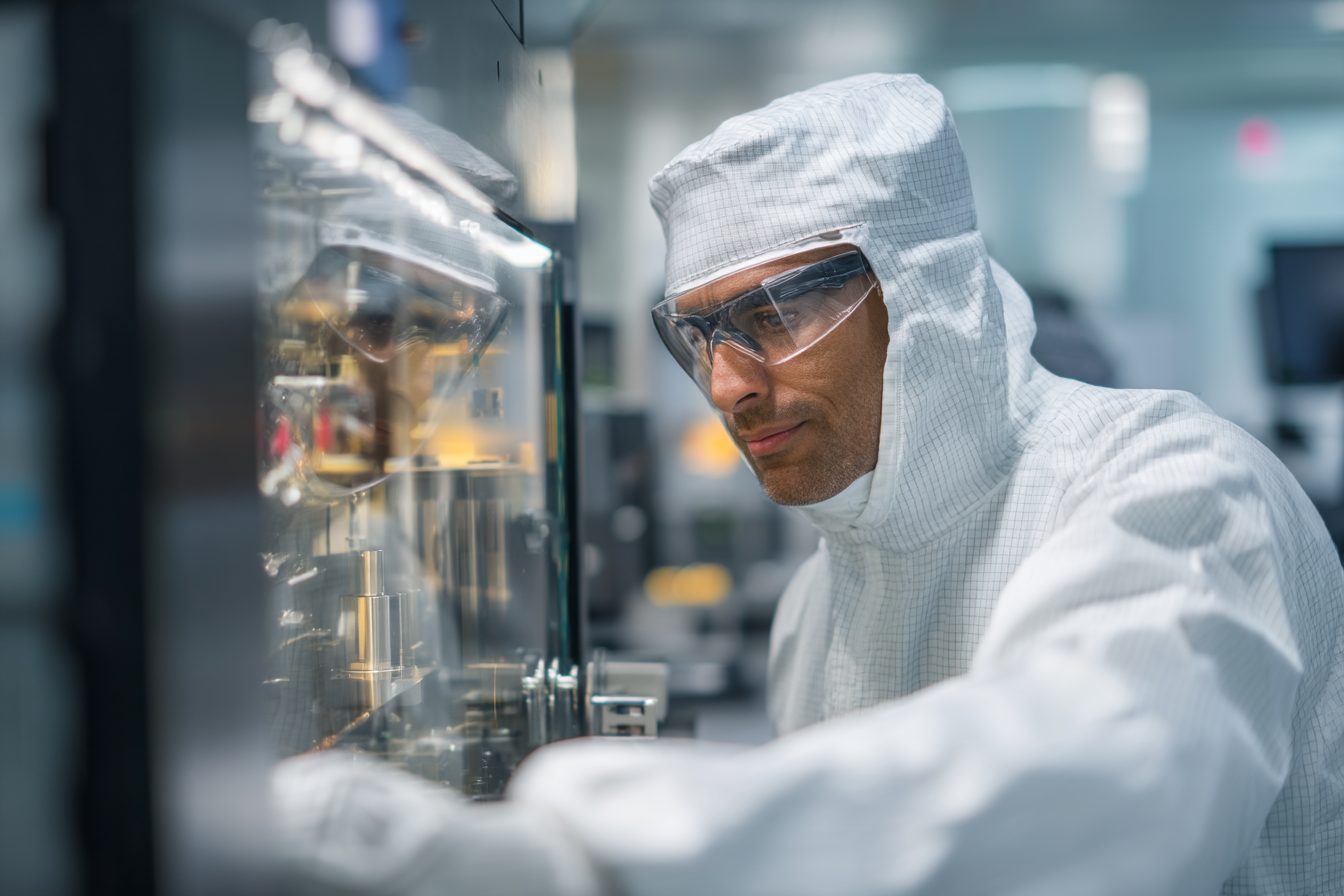
These are settings where people are working around complex equipment, strict protocols, controlled conditions, and environments where small mistakes can create outsized consequences. The Uptime Crew framework describes these roles as operating under strict procedural and environmental controls where uptime, yield, quality, and safety are directly affected by how consistently the work is done. That is why discipline matters so much.
Because it shows up in behavior:
- following the process the same way every time
- respecting standards even when no one is watching
- documenting accurately
- staying focused when work becomes repetitive
- understanding that consistency protects performance
In high-stakes work, discipline is not about rigidity. It is about trust.
Coachability Matters Because No Environment Is Plug-and-Play
Even experienced people need to adapt. Every site, team, toolset, and operating environment has its own realities. The people who become valuable fastest are often the ones who know how to absorb feedback, apply it quickly, and improve without ego.
That is why coachability matters so much in these roles. In the Uptime Crew materials, coachability appears repeatedly as part of what makes talent prepared, reliable, and able to integrate effectively into demanding environments.
Coachability looks like:
- taking direction without defensiveness
- applying correction quickly
- staying open to learning
- recognizing that precision often comes from repetition and refinement
- understanding that being teachable is part of being reliable
The best people are not threatened by standards. They grow into them.
Process Adherence Is What Protects Uptime, Yield, and Safety
In high-stakes environments, process is not bureaucracy. It is protection.
In fabs, process protects yield, uptime, and safety. In data centers, it protects system availability, operational continuity, and incident prevention. The persona and industry framework explicitly ties process adherence and disciplined behavior to uptime, safety, reliability, and consistent performance.
That means the right person is not someone who improvises constantly. It is someone who knows when precision matters more than improvisation.
Process adherence is really a form of judgment:
- knowing that standards exist for a reason
- understanding that shortcuts create risk
- respecting the environment enough to operate within it properly
That is a very different signal than years of experience.
Composure Is a Hidden Differentiator
A lot of people can do technical work when conditions are ideal. Fewer can stay steady when timelines tighten, something goes wrong, pressure rises, or a mission-critical environment depends on calm execution. That is where composure becomes a differentiator. Composure is about being useful under pressure.
It shows up in people who:
- respond instead of react
- troubleshoot without spiraling
- stay clear-headed in controlled environments
- keep standards intact when stress rises
- protect the team from added friction
In these settings, composure is not just a personal strength. It is an operational advantage.
Mechanical Aptitude Still Matters-But It Is Not Enough on Its Own
Mechanical aptitude is real. It matters. So do troubleshooting ability, attention to detail, documentation, and familiarity with systems and equipment. Your persona framework specifically calls out mechanical aptitude, troubleshooting, preventive maintenance, system monitoring, safety compliance, and documentation as critical capabilities in these roles.
But the bigger point is this:
Technical ability without discipline creates risk.
Technical ability without process creates inconsistency.
Technical ability without coachability slows adaptation.
Technical ability without composure can break down under pressure.
So yes, hands-on skill matters. In high-stakes technical environments, it is most valuable when paired with the behaviors that make that skill dependable.
The Best-Fit People Are Operationally Trustworthy
That may be the clearest way to say it. The people who succeed in these environments tend to create trust quickly. Not because they say the right things. Because they work the right way.
They are:
- disciplined
- coachable
- procedural
- safety-conscious
- mechanically capable
- detail-oriented
- reliable under pressure
- able to learn and adapt without compromising standards
That is what makes someone well-suited for high-stakes technical work.
Not just experience.
Not just education.
Not just exposure.
Trustworthiness in execution.
And in environments where uptime, quality, precision, and safety all matter, that may be the most important qualification of all.
As the guardians of an organization’s digital assets, Data Center Operations Technicians combine their technical knowledge with unwavering commitment to ensure that the data center operates reliably and securely. Their role is indispensable in today’s digital world, where businesses rely heavily on data continuity and availability.